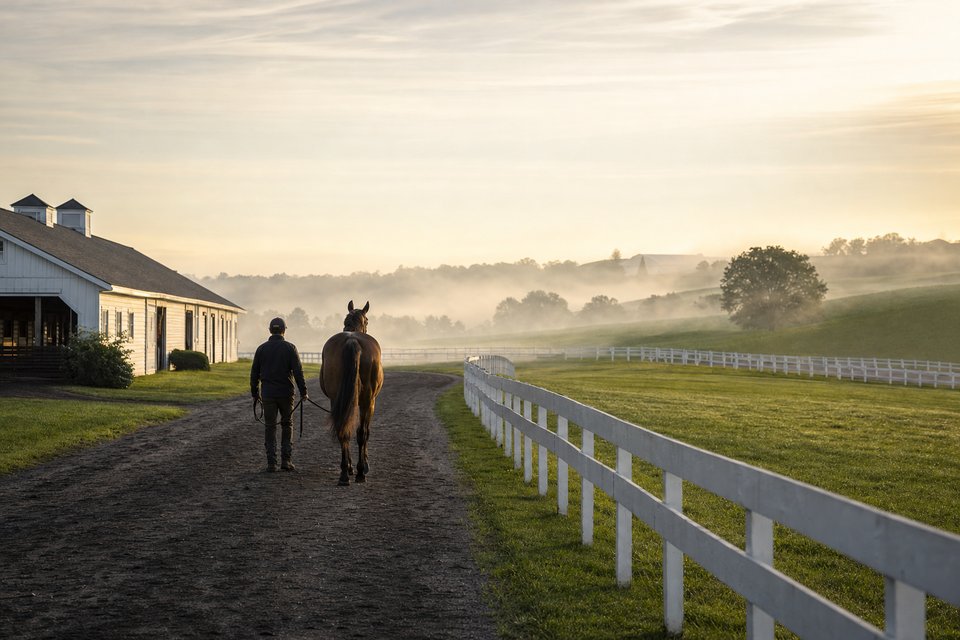
How Pennsylvania racinos came about
Pennsylvania legalized pari-mutuel horse racing in 1959, and The Meadows opened in 1963 as the first track under that law. Casino proposals in the 1980s and 1990s, from Pocono resorts to riverboats and a 1999 plan for track slots, all failed. By the early 2000s purses were shrinking and neighboring states with track slots were drawing horses away.
Act 71 of 2004, the Pennsylvania Race Horse Development and Gaming Act, broke the deadlock. Signed by Governor Ed Rendell on July 5, 2004, it created the Pennsylvania Gaming Control Board and three classes of slot license. Category 1 went to racetracks, with up to seven available, and only a track holding live racing dates could hold one.
The six racetrack casinos at a glance
| Venue | City | Racing | Gaming |
|---|---|---|---|
| Parx Casino and Racing | Bensalem | Thoroughbred, year-round | ~2,976 slots, 180 tables, poker |
| Harrah’s Philadelphia | Chester | Harness, April to December | ~1,543 slots, 55 tables |
| Hollywood Casino Penn National | Grantville | Thoroughbred, February to November, nights | ~1,526 slots, 55 tables, poker |
| Hollywood Casino at The Meadows | Washington | Harness, year-round | ~1,875 slots, 84 tables, poker |
| Mohegan Pennsylvania | Wilkes-Barre | Harness, February to November | ~1,555 slots, 57 tables, poker |
| Presque Isle Downs | Erie | Thoroughbred, late May to October | ~1,525 slots, 31 tables |
Machine and table counts are the Gaming Control Board’s August 2026 averages. Together the six Pennsylvania racinos ran about 11,000 slot machines that month, about 45 percent of the state’s 24,520. Unlike the lottery-run terminals at racinos in New York or Ohio, these are standard casino slots owned by the operators, as explained in the VLT guide.
Who regulates gaming and horse racing
Two bodies share the work. The Pennsylvania Gaming Control Board licenses the casinos, their employees and their online partners, and publishes monthly revenue reports by property. Racing is overseen by the State Horse Racing Commission within the Pennsylvania Department of Agriculture, which approves race dates, licenses trainers, drivers and jockeys, and runs drug testing and stewards at every meet.
The Commission approves each track’s calendar in late autumn for the following year and signs off on later changes to dates or post times. Because a racino’s casino license depends on its racing license, a track cannot simply drop live racing and keep the slots, the condition Act 71 attached to every Category 1 license in 2004.
Purse funding and the Race Horse Development Fund
Slot revenue at every Category 1, 2 and 3 casino is taxed 34 percent for the state, 2 percent as a local share and 5.5 percent for economic development and tourism. An additional assessment, capped at 12 percent, goes to the Pennsylvania Race Horse Development Fund. In August 2026 it ran close to 9 percent of gross terminal revenue.
The fund collected about $16.2 million from all casinos in August 2026, of which the six racinos supplied roughly $7.8 million. Under the 2004 design, money is passed to each racetrack’s horsemen: about 80 percent for purses, about 16 percent for breeders’ awards and about 4 percent for horsemen’s health and pension programs, split between the thoroughbred and harness sides.
Lawmakers have redirected the fund before. From 2010 to 2013 part of the money was transferred to the state’s General Fund, and later budget proposals to tap it again drew opposition from horsemen’s groups. The racino revenue explainer compares Pennsylvania’s model with purse subsidies in Ohio, New York and other states.
Pennsylvania racinos by region
Philadelphia has two. Parx in Bensalem is the state’s largest casino by slot count and races thoroughbreds almost all year, with the Grade 1 Pennsylvania Derby in September. Harrah’s Philadelphia in Chester runs harness racing on a five-eighths-mile oval partly built over the Delaware River, with Caesars running the casino and VICI Properties owning the real estate.
Central Pennsylvania has Hollywood Casino Penn National at Grantville, near Harrisburg and Hershey. Its 2026 meet is the track’s 55th and runs from February to November with night racing at 5:45 p.m. The $400,000 Penn Mile on turf is its only graded stakes, and the casino took Pennsylvania’s first legal sports bet in November 2018.
The west has two. Hollywood Casino at The Meadows, 25 miles southwest of Pittsburgh, races harness horses year-round and hosts the Delvin Miller Adios Pace each July. Presque Isle Downs in Erie, owned by Churchill Downs, runs thoroughbreds on a synthetic Tapeta track from late May into October and admits only guests aged 21 or older.
Mohegan Pennsylvania, outside Wilkes-Barre, is the northeast’s racino. Its Pocono Downs track opened in 1965, and its casino became the first in Pennsylvania in November 2006. The resort adds a 238-room hotel, a spa and a nine-table poker room, and its Sun Stakes Saturday in August carries about $2.3 million in purses.
Horse racing calendar across the state
Pennsylvania has live racing on most days of the year. Parx and The Meadows race in every month, Penn National runs February to November at night, Pocono Downs races February to November on Saturday, Monday and Tuesday afternoons, Harrah’s Philadelphia goes from April to December, and Presque Isle Downs fills the summer. The national racing schedule covers every state.
- Pennsylvania Derby and Cotillion, Parx: September 19, 2026
- Penn Mile, Penn National: May 29, 2026
- Delvin Miller Adios Pace, The Meadows: July 25, 2026
- Sun Stakes Saturday, Pocono Downs: August 22, 2026
- Presque Isle Downs Masters: September 18, 2026
Online casinos and neighboring states
The 2017 expansion law added online casinos and tied each to a land-based license. Five Pennsylvania racinos hold interactive certificates; The Meadows does not. This site covers the six racinos as venues, and the online section covers the states where it lists operators. The same rules apply everywhere: 21 or older, inside the state, with spending limits set before play.
Across the borders, racinos in Ohio, New York, West Virginia and Delaware follow the same idea with different rules, often with lottery-run terminals instead of commercial slots. The history of racinos traces how the model spread from West Virginia and Delaware in the 1990s to more than a dozen states.